Flip Software – Create stunning Flip Books (Example)

As the marketing world becomes more competitive and the need to effectively engage and sustain the attention of consumers expands almost exponentially, new modes of operation and advanced technology is surfacing. One of the hottest trends in content management right now is flip software. This software allows users to create flippable books for a number of reasons. These books are much more advanced than the traditional eBook.As we learn that it is not only the relevance of the content that matters but the manner in which it is presented, flipbooks are providing the level of engagement that is needed. Companies like YUMPU Publishing offer highly effective online flip software that allows businesses and individuals to quickly create high quality flipbooks.
Dynamic Benefits
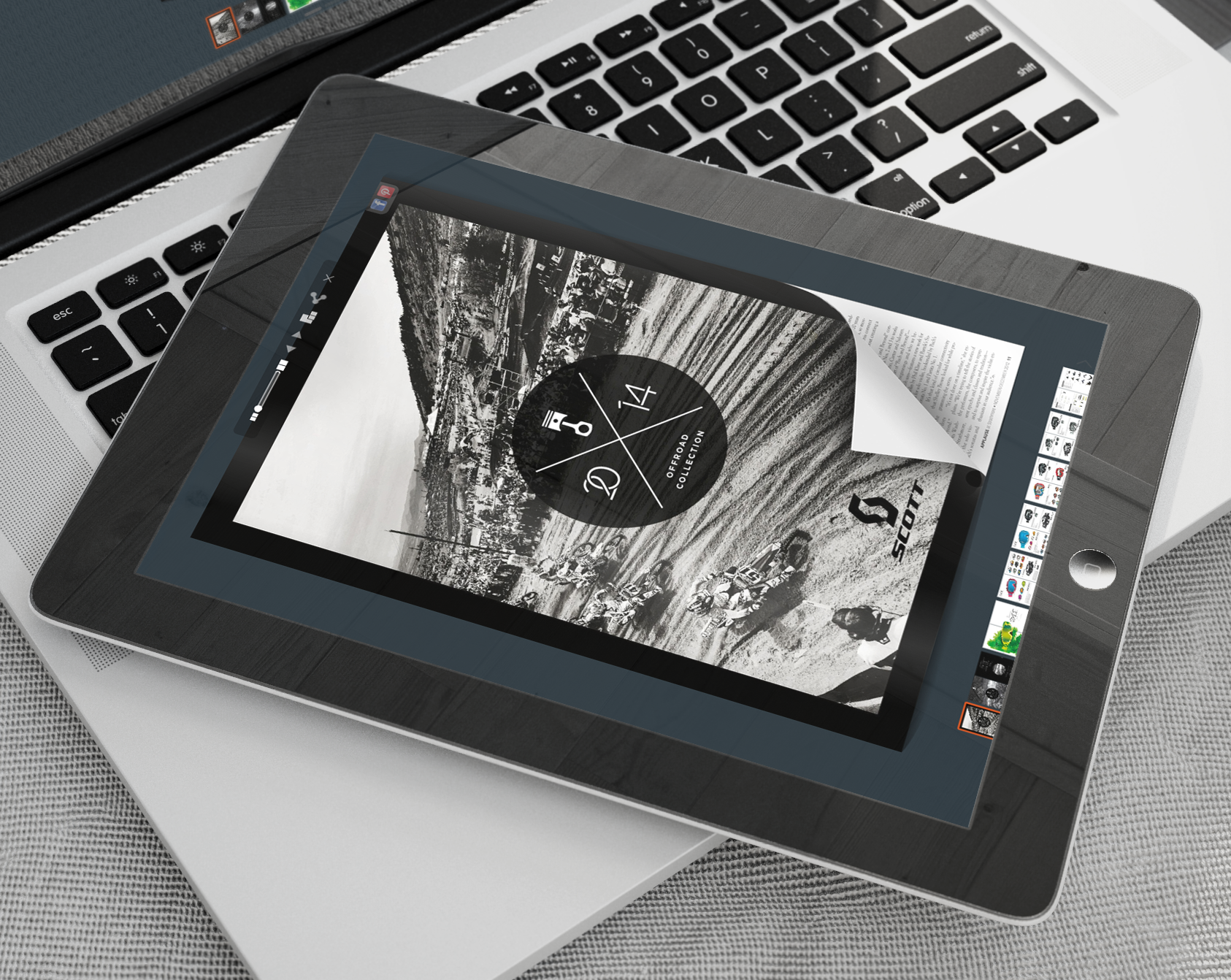
To be totally clear of what I am speaking of here, flipbooks are essentially eBooks that have digital pages that can be flipped like pages in a paperback, rather than having to scroll down or slide the screen to the left. As the pages turn it gradually reveals the next page, just as in a book with paper pages. Another neat feature with these type of books is that they also have sound. So when a book page is being turned the reader will also have the associated sound-effects.
You may be wondering what the big deal is about a flippable book? There a number of active benefits that have the power to increase reach, exposure and influence, not to mention these books raise the level of professionalism immensely. With your documents having the capacity to allow the user to flip the page to move forward in their reading, they will have a certain level of familiarity, making it easy for novice readers of electronic reading devices to acclimate themselves to process. This allows authors and publishers to get their books in front of a larger audience.
YUMPU Publishing provides a software program that allows users to log and create a flipbook in a matter of minutes. This means that you can create everything from multiple page newsletters, magazines, catalogs, research documents, annual reports, proposals, and more — all in a matter of minutes. Flip software allows you to do in three to five minutes what used to take hours to days to accomplish.
Ease of Content Identification and Location
One of the major benefits that a flipbook presents for your audience is the ability to easily and quickly locate content, which equates to a more enjoyable experience. Anyone that is familiar with customer engagement is aware of the immense importance of user experience. If you are not able to provide a pleasurable experience for your users and readers, they will gravitate toward another product that will. This era has produced the educated consumer. The educated consumer must be engaged and courted. They know when they are being sold or herded toward a sale, and they will bounce off your page, book or blog faster than you can blink an eye. A bounced customer almost always ends up at the step of one of your competitors.
Creating a situation in which your users will be engaged by a pleasurable experience goes a long way in developing a relationship that is built on trust. It is these type of relationships that produce customer and fan loyalty.
Another benefits of using the flip software provided by YUMPU is the fact that hosting your flipbook on their site allows you to benefit from the millions of readers that frequent their site on a regular basis. When you create your flipbook on the YUMPU site, you are allowed to create a title and category so that your work can be easily found by those who will benefit from it. There sites also has social media integration, which allows visitors to share and like your work on a number of different social platforms. I don’t have to tell you that social media is the fastest way to get your content distributed on a viral level.
With the embed code that is generated automatically after the conversion of the flipbook is complete, you will be able to embed your flipbook on your website, blog or standalone page. This allows you to generate even more exposure. You can even link pages together. If you want to make your document even easier to navigate, you can create a hyperlinked table of contents that will allow the user to move to certain part of the book with a simple click of a link.
The benefits listed here present only a few of the possibilities that using flip software presents. With flip software, you don’t have to worry about finding ways to effectively and attractively host those boring PDF files. You can simply upload your PDF and convert it to a flippable document with all of the associated features offered through YUMPU Publishing.


Leave a Reply
Your email address will not be published. Required fields are marked *
Comment sent successfully.
Comment could not be sent.
Welcome to YUMPU!

My name is Belinda Reiler.
I am very excited to begin my second year at YUMPU! What I really love about Yumpu.com is that everyone - without any technical knowledge - can create amazing looking online magazines!
What do we offer:
 Create flippable PDF for free
Start now and create and publish your own flippable magazine in just a few minutes!- Solutions for everyone
Create page flipping publications online. From beginners package to your own WEBKiosk and your own APP – there is a solution for everyone.
What our customers say:
"YUMPU convinced us with easy handling and a competitive price. YUMPU offers great performance and support. Other companies have to adjust to compete with it."

ALEX LENZ
40INCH.DE
"I love the whole idea of YUMPU and especially the people behind it, which I previously got to know! I am happy to recommend YUMPU."

GREGOR FILSER
TISCHLER-REISEN.DE
Satisfied customers tweet:
 We’re using www.yumpu.com for 2 months now. Their service is head and shoulders above what other ePaper websites have to offer.

 If you want your publication to look professional, visually stunning & expensive, you should consider #YUMPU free service.


I have been looking for a couple of days now at the different aspects of where to host my magazines, Yumpu.com wins all the time