5 Reasons Flip Books are the Future & how to create yours
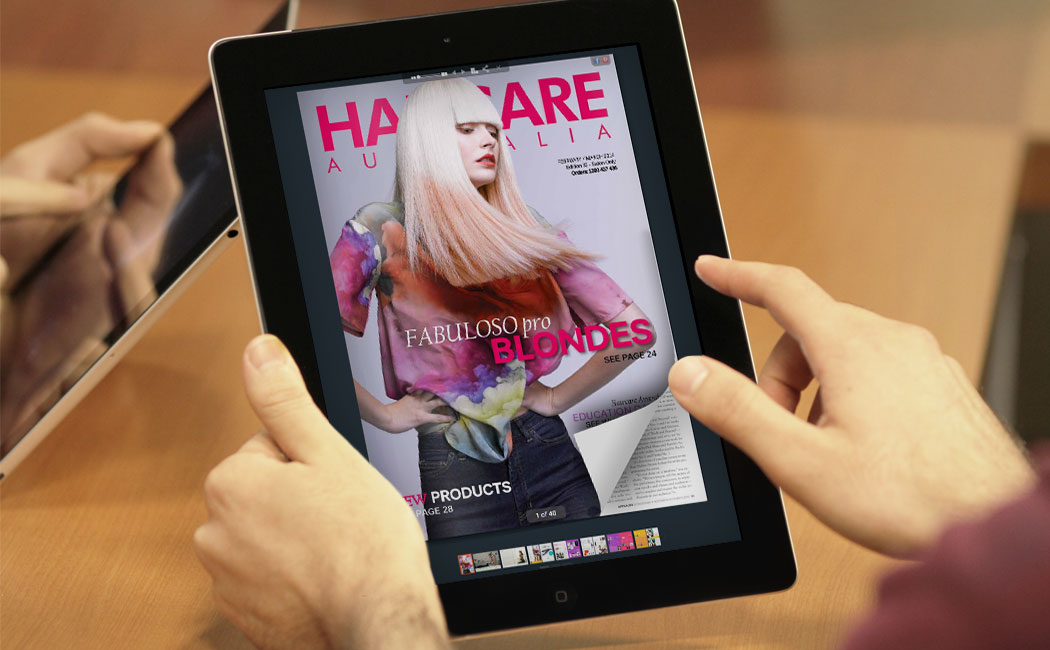
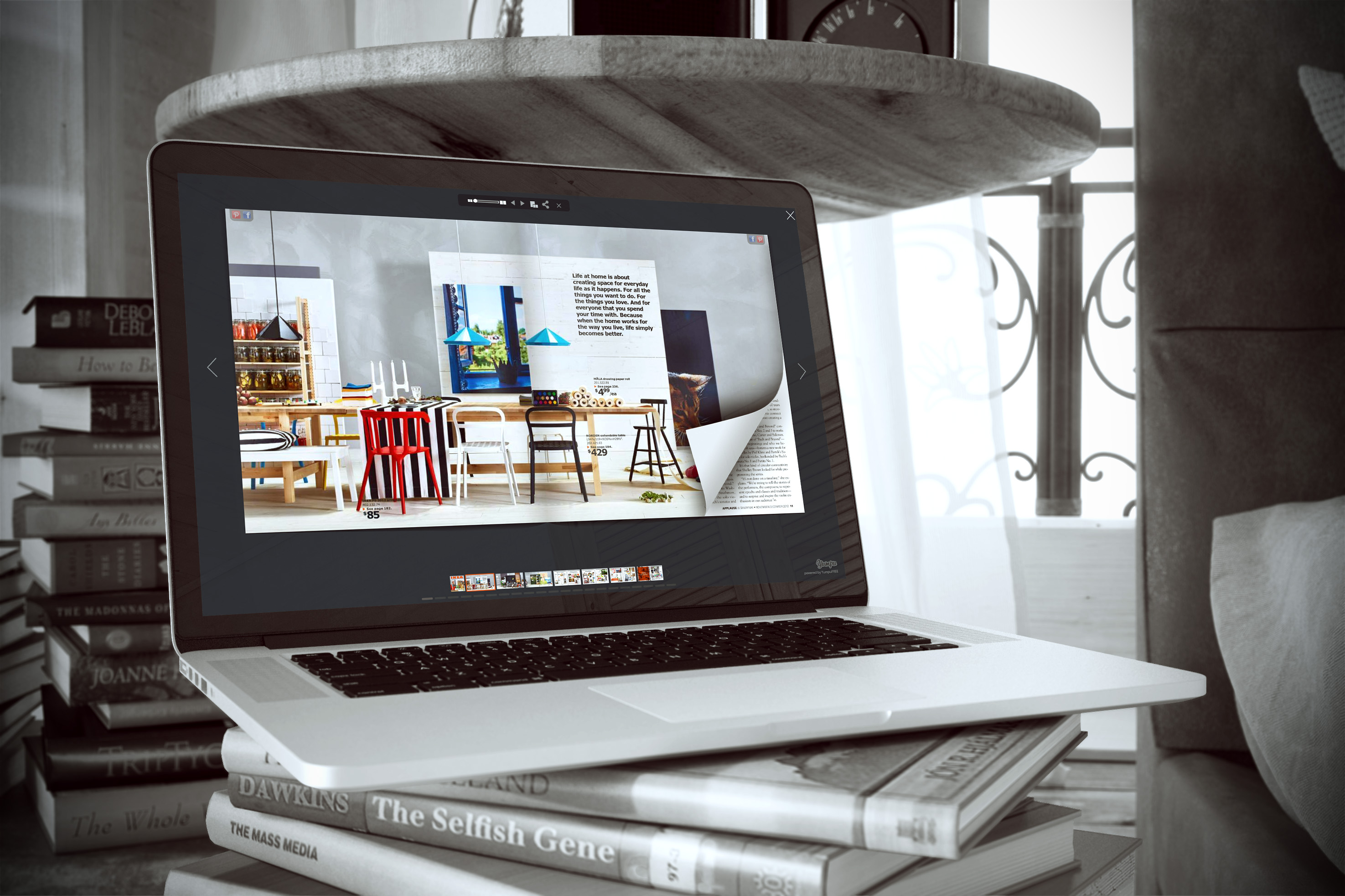
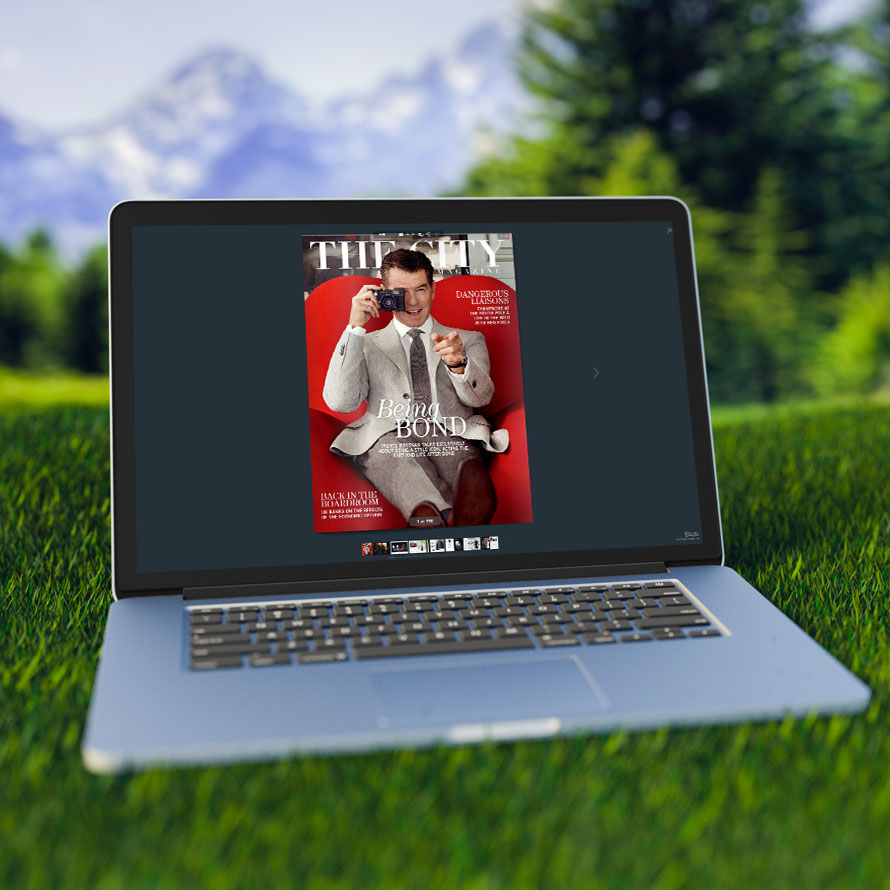
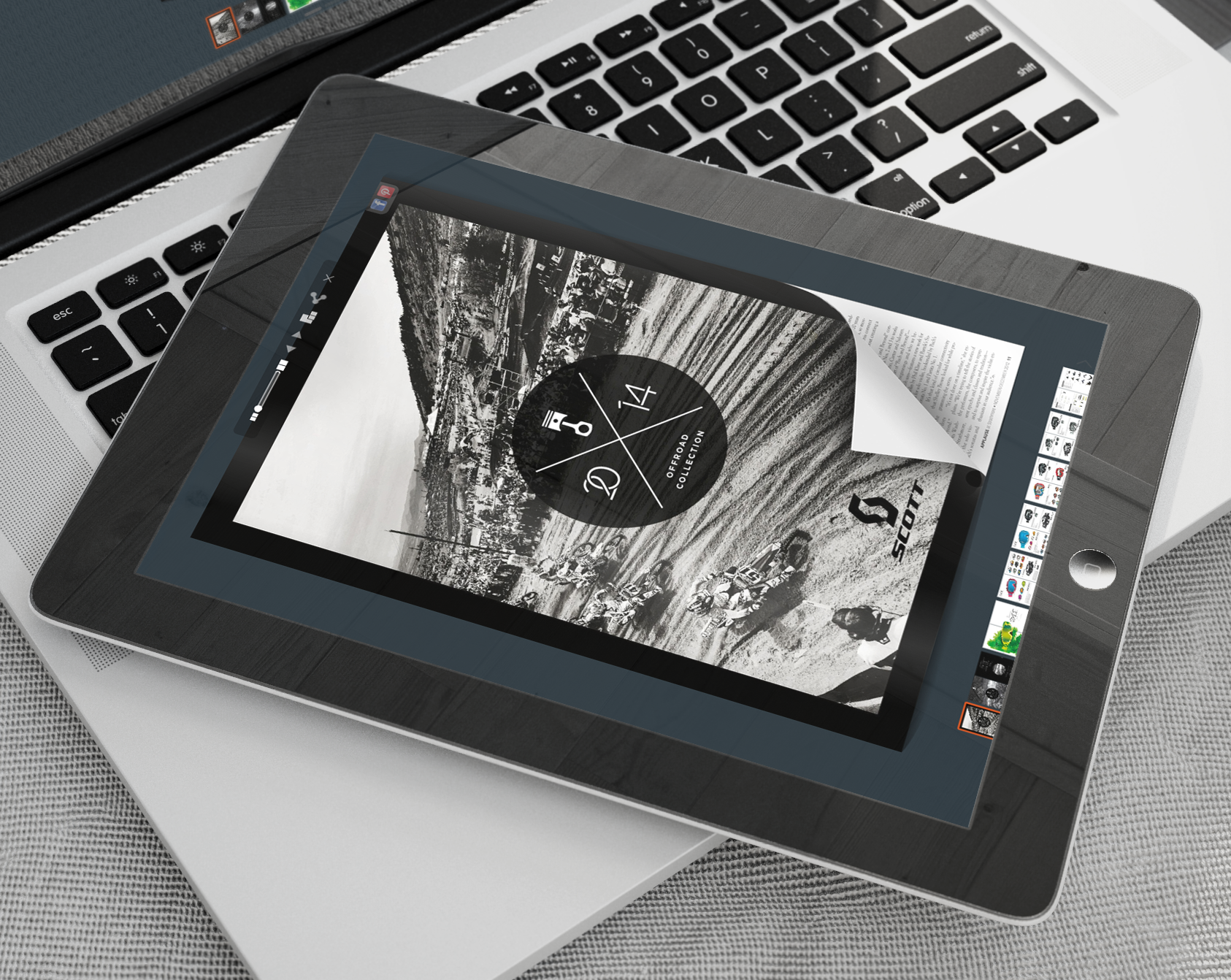
Have you ever wanted to publish your own Flip Book or magazine? With new technology, you can convert your old PDFs into actually ePaper books that mimic real page turning effects. This is a great time to be alive as now it is easier than ever before to create your own publication and distribute it online to share with the world. YUMPU Publishing has provided a way to take your PDFs and bring them to life for a fully interactive experience your readers will never forget.
1. Revolutionary Flip Books Application
There is a vast plethora of opportunities and applications for this new flip book publishing service. Whether you are trying to create brochures, online magazines, instruction manuals, or picture books, this revolutionary phenomenon is changing the way we create and read materials. Get out of the stale old PDF and enhance your material by giving it a brand new look and feel. Watch the material come to life as the real-life page turning effects create a sense of nostalgia and awe.
2. Page Turn Feel
Readers will feel far more engaged with the reading material you present when they can actually interact with the text. They will have the control to turn at the pace they want and it will remind them of that pleasant feeling of sitting down with an actual book. Draw the reader’s attention and bring them in with the interactive page flipping animation and sound that reminds them of the comfort and joy that reading brings.
3. More Cost-Efficient Than Publishing
The day of creating physical based material are behind us. This is better for our resources, the environment, and frankly, our time and money. The costs of producing a magazine or book, which includes materials, binding, pressing and shipping can be significantly reduced through the utilizing of electronic media. Costs used to be an extremely prohibitive hurdle that kept the average person from publishing their own material. But in recent decades this has all changed and now the door of opportunity is open for all who wish to enter. Now anyone can create an amazing publication with access to this revolutionary tool.
4. Convert to Flip Books for Enhanced Features
YUMPU Publishing allows you to create flip books from PDFs that allow for additional features:
Add animation to your content, increasing interactivity and user engagement.
Include audio and video to your creation, engaging multiple senses and allowing for a more fully immersive experience.
Market and sell your publications, including flippable books, magazines, brochures and newsletters online.
With real life page turning sound effects you will listen to the page glide over and hear the crisp, satisfying sweep of the page as you turn to the next section. All that is missing is the smell of old book paper.
5. Amazing Possibilities
Truly the possibilities are amazing. We live in such a great time for entrepreneurship and DIY content creation. Anyone with determination, passion, and dedication can get their message out and influence the world. With the power of self-expression at your hands, you can connect with audiences easier than ever before. For those looking to generate income online, now you have a better chance than ever before. If you can put in the hours and energy necessary to market, the technology side is already taken care of.
Leave a Reply
Your email address will not be published. Required fields are marked *
Comment sent successfully.
Comment could not be sent.
Welcome to YUMPU!

My name is Belinda Reiler.
I am very excited to begin my second year at YUMPU! What I really love about Yumpu.com is that everyone - without any technical knowledge - can create amazing looking online magazines!
What do we offer:
 Create flippable PDF for free
Start now and create and publish your own flippable magazine in just a few minutes!- Solutions for everyone
Create page flipping publications online. From beginners package to your own WEBKiosk and your own APP – there is a solution for everyone.
What our customers say:
"YUMPU convinced us with easy handling and a competitive price. YUMPU offers great performance and support. Other companies have to adjust to compete with it."

ALEX LENZ
40INCH.DE
"I love the whole idea of YUMPU and especially the people behind it, which I previously got to know! I am happy to recommend YUMPU."

GREGOR FILSER
TISCHLER-REISEN.DE
Satisfied customers tweet:
 We’re using www.yumpu.com for 2 months now. Their service is head and shoulders above what other ePaper websites have to offer.

 If you want your publication to look professional, visually stunning & expensive, you should consider #YUMPU free service.


I have been looking for a couple of days now at the different aspects of where to host my magazines, Yumpu.com wins all the time