Flipbooks – The Advantages for Educational Instruction
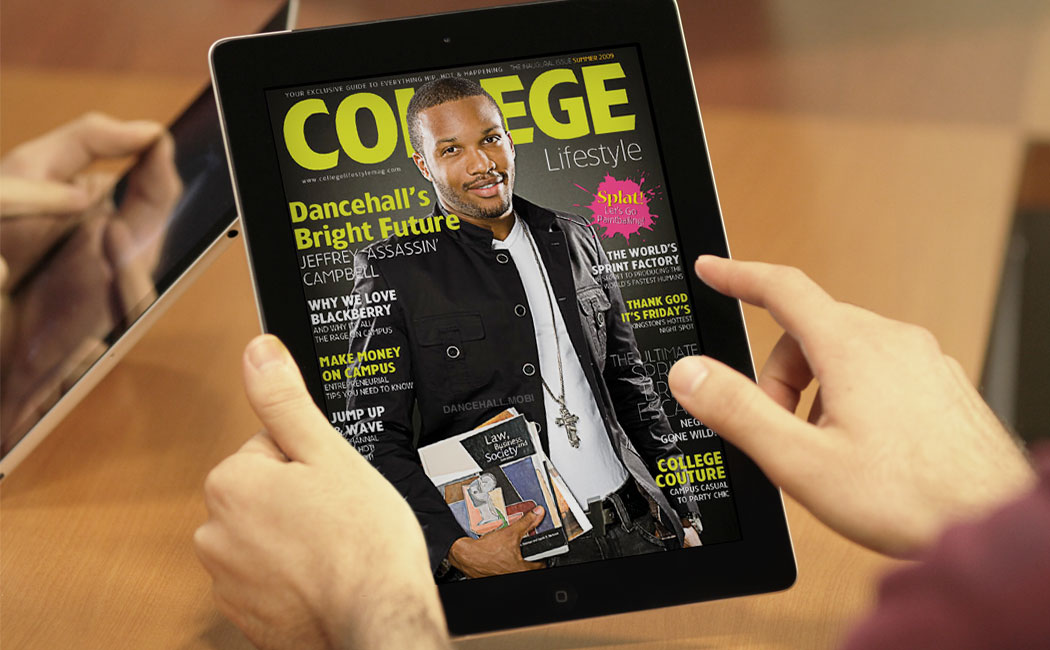
Flipbooks have changed the way in which teachers can interact with their students. No longer do teachers have to force students to pay hundreds of dollars for books in a class. As an alternative, a teacher can create his or her own textbook by converting a PDF into a digital e-book. Students love reading digital magazines for their ease of use. Using digital magazines is a tech-savvy way to connect with students today.
The Advantages of Using Flipbooks for Educational Instruction
Digital flipbooks can also be used to improve the reading comprehension of students. Students may feel more encouraged to read if the format of a book is on an electronic device rather than a print publication. Teachers can even show students how to adhere to environmentally-friendly behaviors by using online magazines instead of printed publications.
For teachers who are looking for ways to efficiently create their own online publications for a class, YUMPU Publishing now offers the FREE solutions that they need. Teachers can create online magazines at www.Yumpu.com in less than two minutes. Teachers and other instruction aides do not need to have HTML coding knowledge or technical background to use YUMPU’s PDF converter.
Start working to improve the reading comprehension, analytical and spelling abilities of your students today. Here are some ways that you can use flipbooks in the classroom to improve the educational experience for all of your students.
Using Flipbooks for Tutoring Sessions
Flipbooks can be used for tutoring sessions. Tutors may want to create PDF documents that contain a summary of what a student is learning in a course. The PDF can then be converted into an online flipbook. The online flipbook can be used as a study aid to help a student prepare for a major quiz or test. Tutors may also see that their tutoring business improves after they use flipbooks. Parents of other students in a class may want to check out the services that a tutor has to offer if they hear great things about the technology innovations that a tutor is using in his or her lessons.
Creating Your Own Textbooks with Flipbooks
Teachers may also find that they can help students who are at an economic disadvantage by creating their own textbooks with YUMPU’s PDF converter. Truly passionate teachers who care about improving inequalities amongst students can help save their students a few hundred dollars every year. Dedicated teachers can write their own textbooks and mass-produce them at a low cost with YUMPU Publishing. A teacher may be able to effectively dissolve socioeconomic disparities amongst students by taking advantage of all that YUMPU has to offer.
Even if a teacher distributes his or her own textbook at no cost to students, he or she can still post it on sites like Amazon.com for a low price. Teachers may even want to use the earnings that they receive from selling a flipbook on other websites to improve the educational experience of their students.
Showing Students How to Create Flipbooks for Reports and Projects
Teachers can also show their students how to use YUMPU to create flipbooks. Students will have an edge if they know how to create their own e-books for presentations and papers. Not only may a future employer look favorably upon this skill, but colleges may also be impressed with students who submit an online flipbook as part of an application.
Helping Students Achieve Academic Excellence with Flipbooks
Ultimately, teachers will help their students to succeed in school by exposing them to the new technologies of today. Flipbooks are one of the most recent innovations that are taking the Internet by storm. Every teacher should spend some time playing around with YUMPU and learning how to use this great PDF converter. Students should also learn how to use YUMPU Publishing to create their own books, projects, reports, and presentations. There is no limit to the ways in which flipbooks can be used to further academic excellence in the classroom.
Leave a Reply
Your email address will not be published. Required fields are marked *
Comment sent successfully.
Comment could not be sent.
Welcome to YUMPU!

My name is Belinda Reiler.
I am very excited to begin my second year at YUMPU! What I really love about Yumpu.com is that everyone - without any technical knowledge - can create amazing looking online magazines!
What do we offer:
 Create flippable PDF for free
Start now and create and publish your own flippable magazine in just a few minutes!- Solutions for everyone
Create page flipping publications online. From beginners package to your own WEBKiosk and your own APP – there is a solution for everyone.
What our customers say:
"YUMPU convinced us with easy handling and a competitive price. YUMPU offers great performance and support. Other companies have to adjust to compete with it."

ALEX LENZ
40INCH.DE
"I love the whole idea of YUMPU and especially the people behind it, which I previously got to know! I am happy to recommend YUMPU."

GREGOR FILSER
TISCHLER-REISEN.DE
Satisfied customers tweet:
 We’re using www.yumpu.com for 2 months now. Their service is head and shoulders above what other ePaper websites have to offer.

 If you want your publication to look professional, visually stunning & expensive, you should consider #YUMPU free service.


I have been looking for a couple of days now at the different aspects of where to host my magazines, Yumpu.com wins all the time