Flipbook Software – Reach more readers with the flipbooks

Marketing and branding is driven by content generation. If you are familiar with the basics of marketing, you understand the importance of content generation, but you also understand that is not enough to generate content. The content has to be relevant and high in quality. There are number methodologies used to distribute and manage content. Many marketers still use old faithful, email marketing. Many have resorted to generating content on blogs and social media sites. All of these methods are effective when properly executed. One of the most affected content distribution mediums is the use of eBooks. Not only are eBook good in themselves, but they can also be used as part of the aforementioned campaigns. Marketing through eBooks has effectively evolved to engage the more savvy and educated consumer. Today, eBooks can be highly engaging and dynamic in the manner in which they present content. One way that this is done is through flipbooks. At YUMPU Publishing you can gain access to flipbook software that will allow you to create a powerfully engaging flipbook in a matter of minutes.
Flipbook – Dynamic Content at the User’s Fingertips
With more and more marketers understanding the importance of relevance and content that has a high quality threshold, it is becoming increasingly challenging to compete with content alone. The manner in which you present the content has a major impact on how effective it will be. The method by which content is distributed will have an immense impact on the user experience, which will ultimately determine just how effective the campaign will be. The content can be highly relevant and have great use, but if the presentation is faulty or unengaging the user will look for the content somewhere else — normally at one of your competitors.
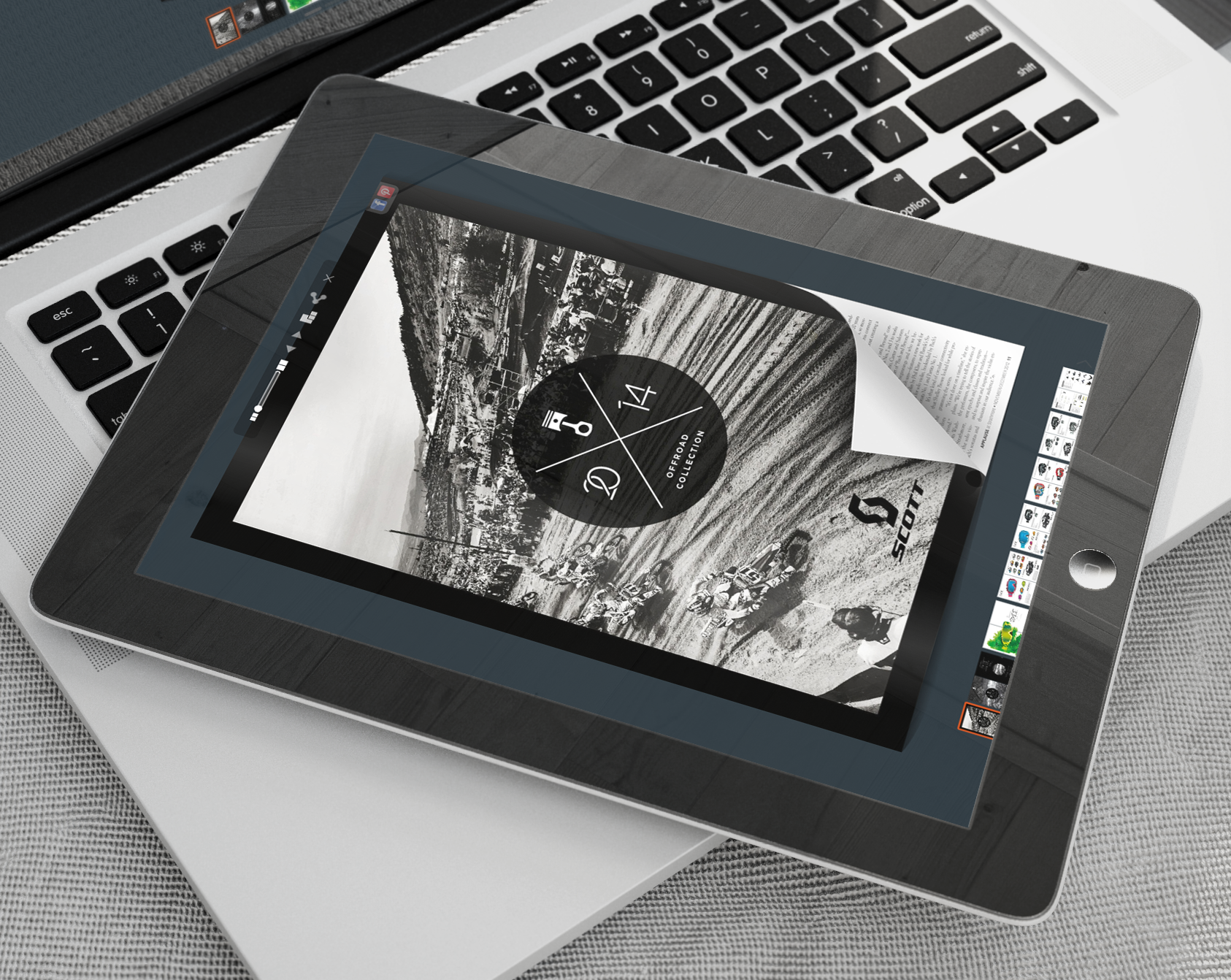
With flipbooks, the content is packaged in a deliverable model that totally engages the user. As they turn each page, it is as if they are reading a paperback — sound-effects and all. This dynamic feature is exceptionally engaging, totally improving the user experience. It is the ability to effectively retain the attention of your customer base or followers. The Flipbook software provided online by YUMPU will allow you to create highly effective flipbooks that will have the quality that speaks well of your brand and provides a suitable and engaging experience for your readers or followers.
Flipbook Software has Multiplicity of Benefits
As if the ability to create high-quality flipbooks wasn’t enough, YUMPU Publishing also provides a number of benefits that allow you to really gain traction from your flipbook. One of the top benefits is immediate access to multiple platforms. First, the finished product will be immediately available for the millions of readers, who visit YUMPU daily, to see. With YUMPU being the world’s leader in digital publishing, they have developed a massive following that browses their library on a regular basis. Your book will now be available for this audience to read.
When you create the flipbook, YUMPU prompts you to add a title, category and meta-description so that it will be easy for people that are searching for information in your specific niche to be able to find your book. This does not only work on the YUMPU internal searches, but it also works on normal internet searches conducted through search engines such as Google, Bing and Yahoo. This is huge as far as increasing your exposure is concerned.
Another benefit is the ability to embed the flipbook into your website or blog. When you create the book, an embed code will be created automatically. You can use this code to place the book on your site or blog, which also increases the exposure. This placement will serve to improve the functionality and engagement factor of your site, which in turn will enhance the overall user experience on your site.
Flipbook – Social Media Integration
Social media has created an unparalleled leverage tool. With sites such as Facebook, Twitter, Pinterest and more, you have the ability to leverage millions of users that are faithfully on these platforms. YUMPU has social media buttons on every page which allow their readers to share anything they may find interesting. When flipbook has been shared on a social media platform, it has the potential of going viral. It is this type of leverage that can take any campaign to an entirely different level.
There is no questioning the fact that the quality and relevance of content are extremely important. It is the core of engagement. However, if the proper medium is not used to present the content, it can literally be wasted. Using flipbook software to create a medium that is effective in engaging the user could be the difference between a productive campaign and one that simply does not produce efficacious results. YUMPU Publishing provides the Flipbook software that will allow you to produce high-quality flipbooks that are guaranteed to engage.


Leave a Reply
Your email address will not be published. Required fields are marked *
Comment sent successfully.
Comment could not be sent.
Welcome to YUMPU!

My name is Belinda Reiler.
I am very excited to begin my second year at YUMPU! What I really love about Yumpu.com is that everyone - without any technical knowledge - can create amazing looking online magazines!
What do we offer:
 Create flippable PDF for free
Start now and create and publish your own flippable magazine in just a few minutes!- Solutions for everyone
Create page flipping publications online. From beginners package to your own WEBKiosk and your own APP – there is a solution for everyone.
What our customers say:
"YUMPU convinced us with easy handling and a competitive price. YUMPU offers great performance and support. Other companies have to adjust to compete with it."

ALEX LENZ
40INCH.DE
"I love the whole idea of YUMPU and especially the people behind it, which I previously got to know! I am happy to recommend YUMPU."

GREGOR FILSER
TISCHLER-REISEN.DE
Satisfied customers tweet:
 We’re using www.yumpu.com for 2 months now. Their service is head and shoulders above what other ePaper websites have to offer.

 If you want your publication to look professional, visually stunning & expensive, you should consider #YUMPU free service.


I have been looking for a couple of days now at the different aspects of where to host my magazines, Yumpu.com wins all the time