Digital Flipbook – This software makes everything easier
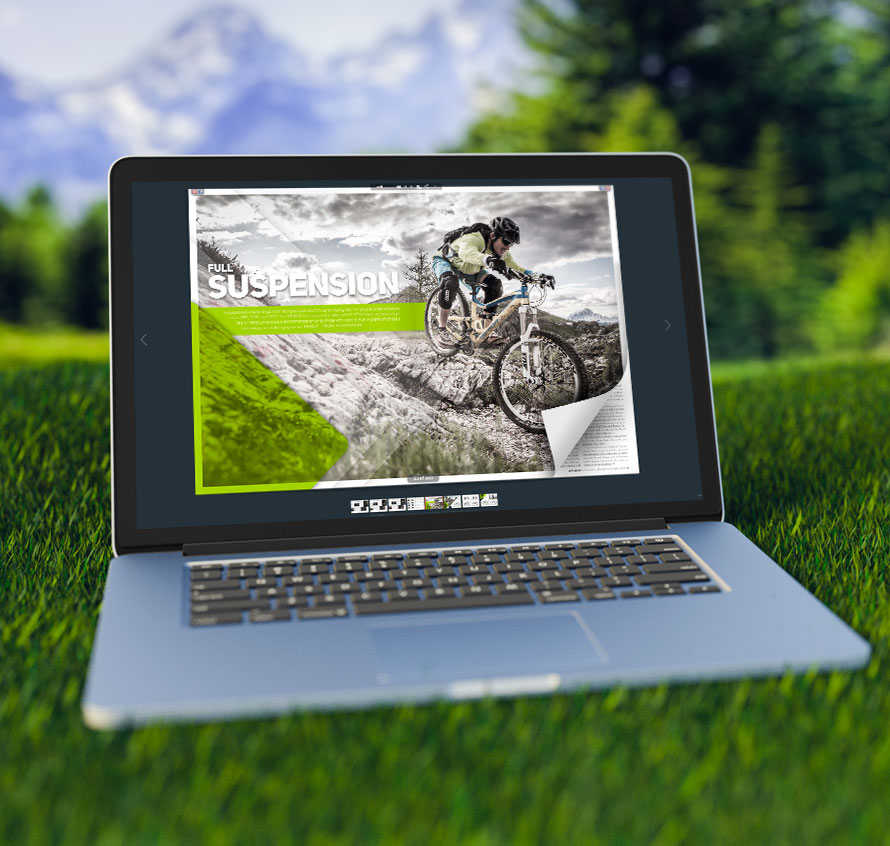
Creating a digital flipbook is now super easy. You don’t have to be an expert in HTML coding to create a beautiful flipbook that your customers enjoy. A flipbook can be created for a variety of purposes. Some people use a flipbook to express their interests and hobbies. Other people use a flipbook as a marketing mechanism to increase the customer base for a business. If you are thinking about creating a digital flipbook, you should try out YUMPU Publishing. The site is simple, organized, and easy to operate. In just minutes, you can convert an existing PDF file into a gorgeous, streamlined digital flipbook. It has never been easier to turn your vision into a reality. If you have always wanted to create your own publication, now may be the time to do so. Here are some reasons you should take the leap and effortlessly create a sleek flipbook that people love.
1. Share the knowledge you have from your favorite hobbies or activities.
Those who have specific hobbies or interests may feel like they want to share this passion with the rest of the world. A digital flipbook makes it easy for a person to share knowledge on a variety of interests, such as politics, art history, stamp collecting, sports, fashion, celebrities, pop culture, academia and more. No matter what your interest is, there is a way that you can immerse yourself in it by creating a flipbook.
A digital flipbook can reveal your talent to the rest of the world. You may even sell your flipbook for a small profit from your blog, website, Facebook account or other social media device.
2. Start a new magazine business.
Perhaps you are looking to become an entrepreneur and make the most of what the Internet has to offer. Developing an online magazine business can be an easy way to earn a profit without hiring numerous employees or having to pay for extensive supplies. All you need to do is invest in a great service like YUMPU Publishing to create and distribute digital flipbooks.
3. Build a better marketing strategy for our current business.
If you are a current business owner, you may be thinking about better ways in which you can connect with an audience. Creating a digital flipbook and emailing it to your customers every month may be your answer. Customers love staying updated on the happenings of businesses that have their patronage. A flipbook can be used to provide information on new uses for products or services. Flipbooks may also provide promotional codes for one’s online store. Customers love reading through flipbooks that contain discount codes that result in extra savings.
By providing a digital flipbook to your customers, you gain their trust. You show customers that you are dedicated to consistently delivering value to them.
4. You don’t need to have technical knowledge.
Another reason to consider creating a digital flipbook is that you no longer need to have technical knowledge to create a lovely online magazine. You do not have to spend hours of your time trying to understand how to convert an existing document into an online magazine. The converter at YUMPU will automatically transform a PDF into the digital magazine that you want. Even those who hate working with computers can create a beautiful edition of an online magazine.
5. You can create a stunning flipbook from your existing PDF in just two minutes.
Also, you can save your valuable time by using YUMPU Publishing to create your digital magazine. The whole conversion process takes less than two minutes. In less than two minutes, you can create a digital magazine that reaches thousands of your customers.
Conclusion
There are numerous benefits of creating a digital flipbook for your own leisure or to promote a business. No longer do you have to worry about how to convert lengthy and cumbersome PDF files into sleek and sophisticated digital flipbooks. YUMPU offers all of the solutions you need to efficiently create your gorgeous digital flipbook.
Leave a Reply
Your email address will not be published. Required fields are marked *
Comment sent successfully.
Comment could not be sent.
Welcome to YUMPU!

My name is Belinda Reiler.
I am very excited to begin my second year at YUMPU! What I really love about Yumpu.com is that everyone - without any technical knowledge - can create amazing looking online magazines!
What do we offer:
 Create flippable PDF for free
Start now and create and publish your own flippable magazine in just a few minutes!- Solutions for everyone
Create page flipping publications online. From beginners package to your own WEBKiosk and your own APP – there is a solution for everyone.
What our customers say:
"YUMPU convinced us with easy handling and a competitive price. YUMPU offers great performance and support. Other companies have to adjust to compete with it."

ALEX LENZ
40INCH.DE
"I love the whole idea of YUMPU and especially the people behind it, which I previously got to know! I am happy to recommend YUMPU."

GREGOR FILSER
TISCHLER-REISEN.DE
Satisfied customers tweet:
 We’re using www.yumpu.com for 2 months now. Their service is head and shoulders above what other ePaper websites have to offer.

 If you want your publication to look professional, visually stunning & expensive, you should consider #YUMPU free service.


I have been looking for a couple of days now at the different aspects of where to host my magazines, Yumpu.com wins all the time