How to Improve Your Digital Marketing Strategy with Flipbooks
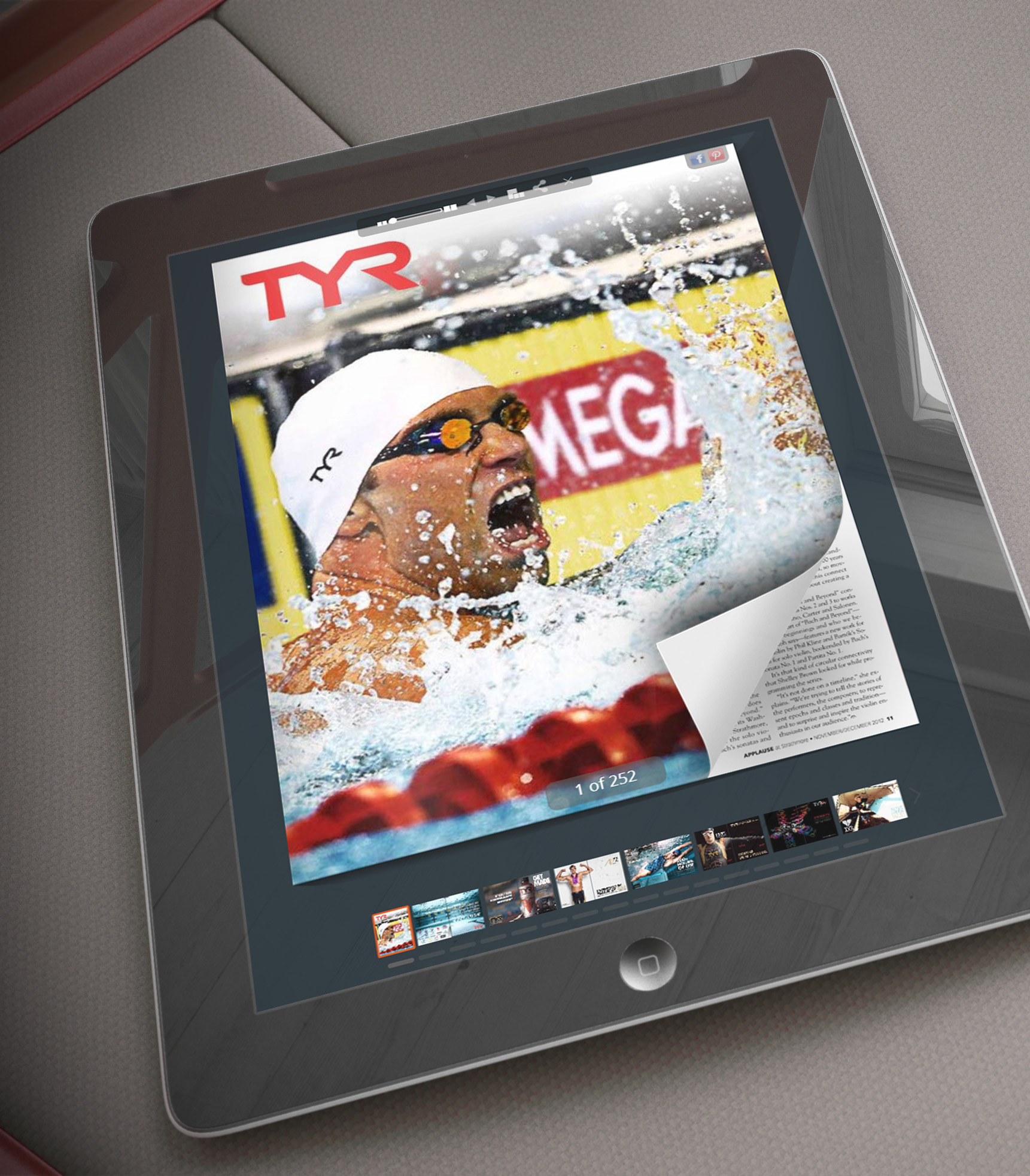
Your company’s Internet brand has never been more important. In an age where consumers purchase products from the first business listed in search results, your business cannot afford to miss out on sale opportunities. Creating an effective digital marketing strategy that delivers valuable content to readers and also improves SEO rankings is vital. Using flipbooks is one way that you can quickly improve your company’s SEO rankings and also provide your readers with quality content. With YUMPU Publishing, you do not have to spend thousands of dollars to create elegant flipbooks that your customers love. You can create flipbooks of any length. Whether you want to create a one-page flyer or lengthy novel, YUMPU gives you the platform to quickly improve your digital marketing strategy.
Delivering Quality Content to Your Audience
YUMPU provides a PDF converter that has been designed with you in mind. We understand that you may not have extensive knowledge about HTML coding or other Internet languages. Thus, YUMPU has been designed so that you can quickly convert a PDF file into the document of your choice. You only need to upload your PDF file onto YUMPU’s site in order to convert it. You can create a flippable e-book within one or two minutes by using YUMPU.
Cutting Costs with Flipbooks
When you use YUMPU Publishing to create flipbooks, you will also be able to drastically cut costs in your budget. You do not have to worry about outsourcing projects to freelancers or digital marketing experts anymore. Whether you are a small business owner or have a passion for writing, you can easily take on the role of creating marketing materials for your business.
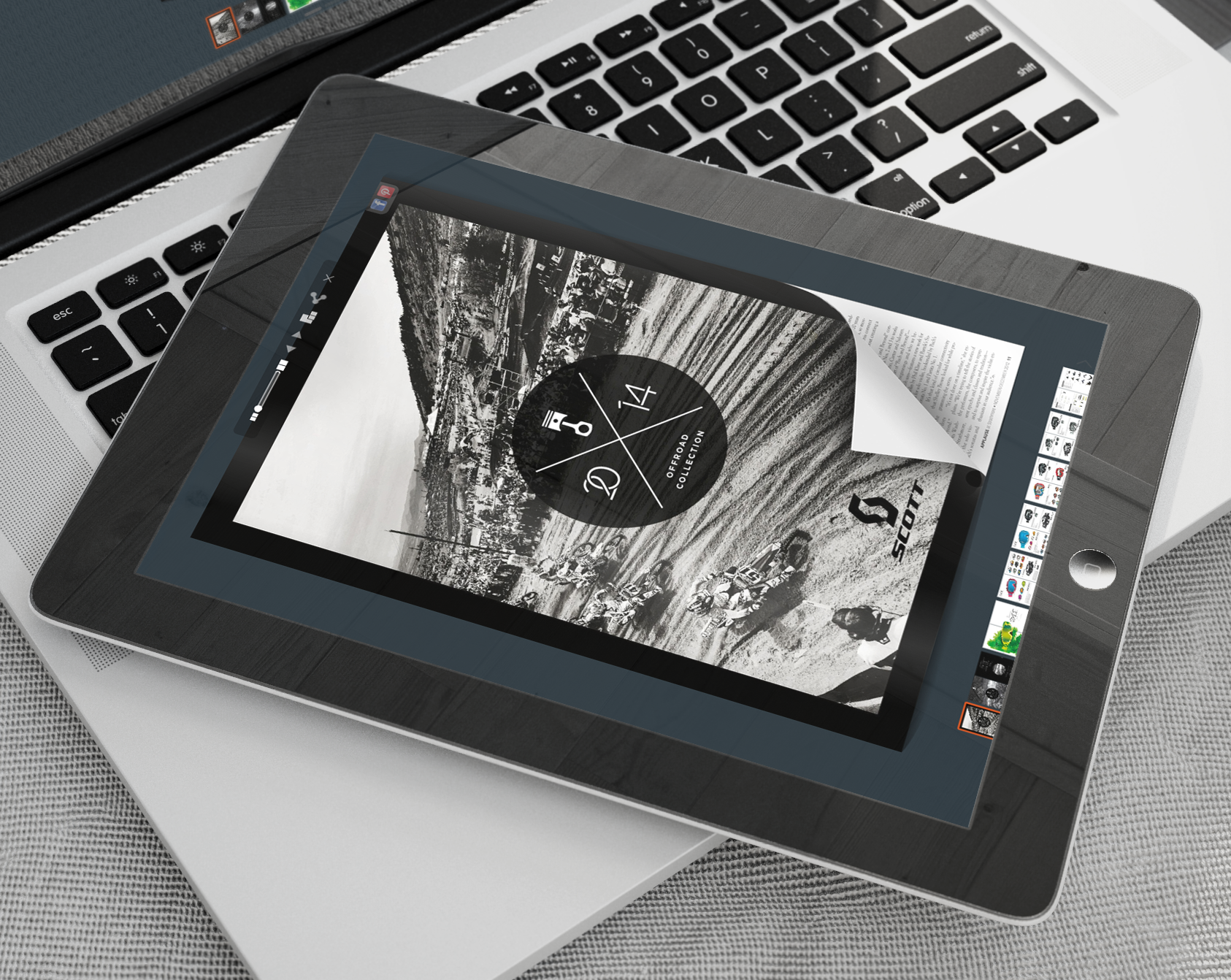
As long as you have access to a laptop or tablet, you can begin creating flipbooks. YUMPU now gives you the opportunity to make practical use of “lost time.” Maybe you cringe at wasting time in waiting for doctor appointments. The next time you are sitting in the waiting room, you can begin drafting your next eMagazine on your tablet. YUMPU makes it possible for you to be productive from any location.
Create a Format that Readers Love
The elegant flipbook format is one that readers love. They love to turn the pages of an electronic document that feels like a real book. Readers feel engaged with the material, and they are more likely to retain it. They can pay attention to your content. The scrolling function of a PDF file lacking any formatting can be very distracting for a reader. A reader’s eyes wander as they have to scroll through a document. Instead of forcing your readers to deal with this format, you should do them a favor and create a flipbook.
As flipbooks become more popular, readers will likely demand that companies produce properly formatted marketing materials. Your business can get a head start and begin using YUMPU Publishing today.
Increase the Number of Visitors to Your Website
When you post content to your website, search engines begin to pick up on this content. The only trick is that you must produce quality content for your readers. Posting flipbooks on your website can show SEO quality assurance representatives that you are serious about producing quality content for your readers or customers. If Google quality assurance reps recognize that you post informative content on a consistent basis, you may find that the ranking of your website becomes better over time. Your ultimate goal should be to land on the first page of search results that shows up on a site like Google. Research shows that about 70 percent of shoppers ultimately end up purchasing a product from a company listed within the first page of search results.
If you can increase the search engine ranking for your website, you can increase the number of visitors that go to your website. This can translate into greater profits over time. As your brand becomes recognized on the Internet, blog writer may also feature reviews of your products. This also serves to improve your company’s popularity on the Internet so that your company can succeed.
Generate Interest to Surround Your Brand
Posting flipbooks on your website can also be a strategy to generate additional interest for your brand. Your next flipbook could be one that “goes viral” on the Internet. If people love the content that you produce, then they will be more willing to discuss your brand and share your materials.
If you are feeling like your business could use a change in its marketing strategy, consider visiting YUMPU Publishing. Take advantage of the cost-effective PDF converter that is available to you. You could potentially revamp your entire business by making a greater effort to connect with your customers through engaging content. Customers love paging through flipbooks and appreciate the added value that your company has to offer.

Leave a Reply
Your email address will not be published. Required fields are marked *
Comment sent successfully.
Comment could not be sent.
Welcome to YUMPU!

My name is Belinda Reiler.
I am very excited to begin my second year at YUMPU! What I really love about Yumpu.com is that everyone - without any technical knowledge - can create amazing looking online magazines!
What do we offer:
 Create flippable PDF for free
Start now and create and publish your own flippable magazine in just a few minutes!- Solutions for everyone
Create page flipping publications online. From beginners package to your own WEBKiosk and your own APP – there is a solution for everyone.
What our customers say:
"YUMPU convinced us with easy handling and a competitive price. YUMPU offers great performance and support. Other companies have to adjust to compete with it."

ALEX LENZ
40INCH.DE
"I love the whole idea of YUMPU and especially the people behind it, which I previously got to know! I am happy to recommend YUMPU."

GREGOR FILSER
TISCHLER-REISEN.DE
Satisfied customers tweet:
 We’re using www.yumpu.com for 2 months now. Their service is head and shoulders above what other ePaper websites have to offer.

 If you want your publication to look professional, visually stunning & expensive, you should consider #YUMPU free service.


I have been looking for a couple of days now at the different aspects of where to host my magazines, Yumpu.com wins all the time